10 Sep
headset

Before we dive into the actual test, we need to look at the specifications, which can easily be found on Turtle Beach's website.
Stealth 500 Headset Specifications
Around the Stealth 500
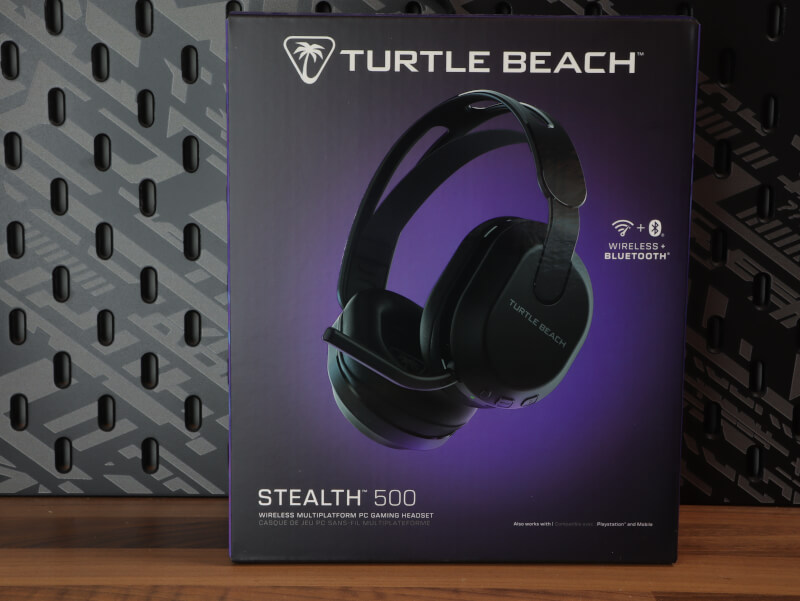
The Stealth 500 is a wireless gaming headset with both 2.4 GHz and Bluetooth connectivity, making it easy to switch between multiple devices. The headset uses Turtle Beach's elastic floating headband design, which is designed to improve comfort during extended use. There is access to sound adjustment via app, where EQ profiles, Superhuman Hearing and microphone settings can be customized. Battery life is on the high end for the price range, and USB-C charging makes everyday use simple. The microphone is integrated as a flip-to-mute solution, making it quick to activate and deactivate.
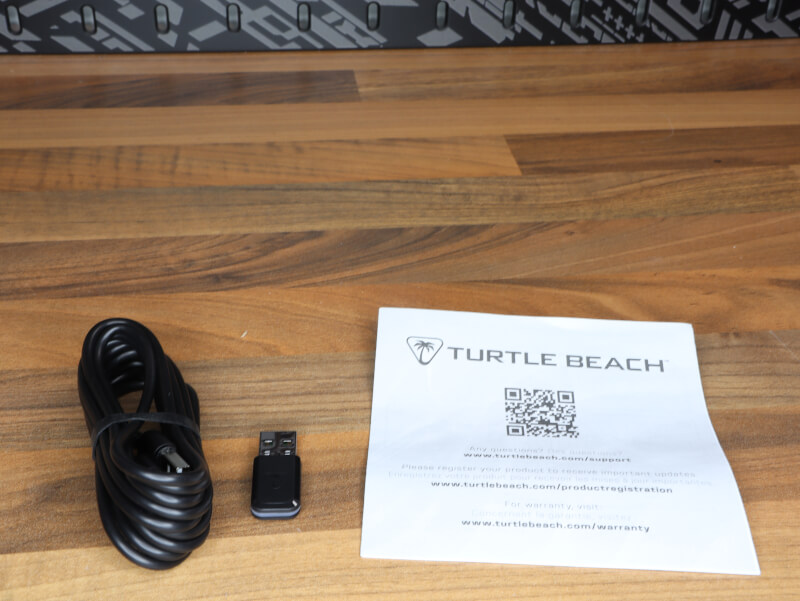
In the box, the Stealth 500 headset is assembled and ready to use, along with a USB wireless transmitter for the 2.4 GHz connection, a USB-C charging cable, and the necessary documentation in the form of a quick guide and warranty information. Setup is therefore very simple, as there are no unnecessary extra parts, and the focus is clearly on quick start-up, where the headset and dongle are already paired from the factory.
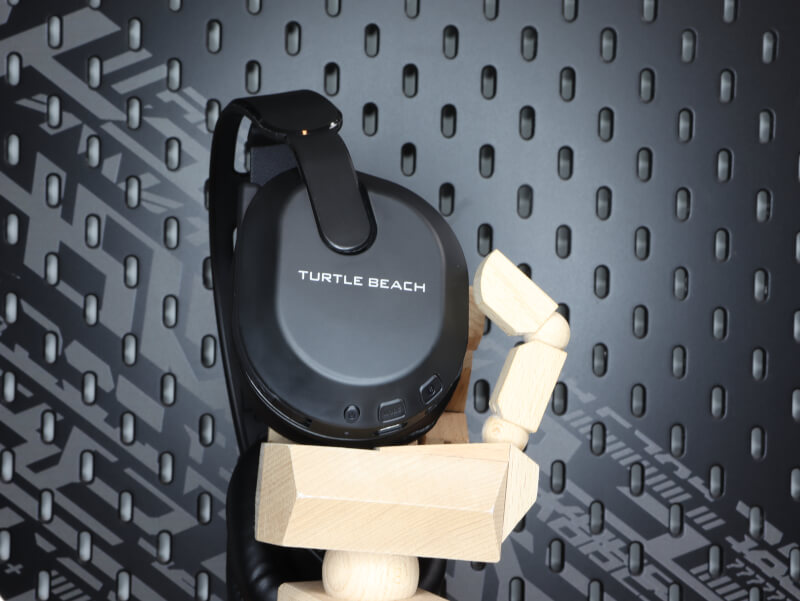
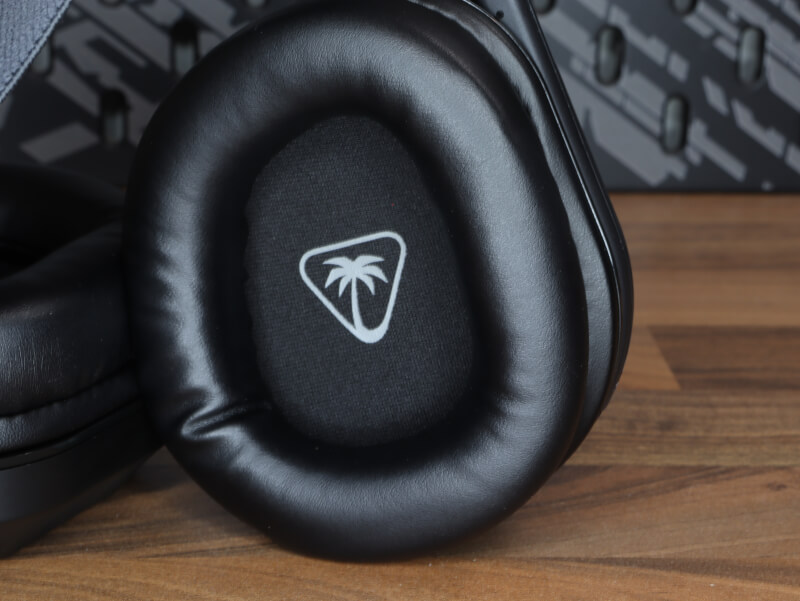
The Stealth 500 is primarily constructed from plastic materials, which keeps the weight down and contributes to the lightweight feel during use. The exterior has a matte finish, which gives a discreet look without collecting many fingerprints. The ear cushions are covered with soft fabric material, which helps with ventilation during longer sessions. The elastic band under the headband is a central part of the construction and acts as active weight distribution, reducing pressure on the head.
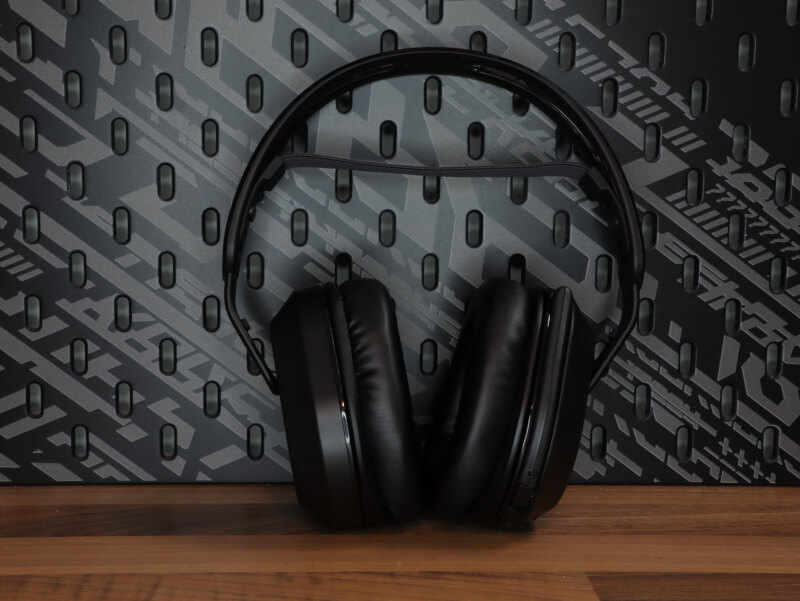
The ear cups on the Stealth 500 have a good internal size, which provides space around the ear without feeling too compact. The shape is oval, which means that they fit relatively naturally around the ear while providing a stable fit. The depth is sufficient so that the ear is not pressed directly against the driver, which is of great importance for comfort during longer gaming sessions.
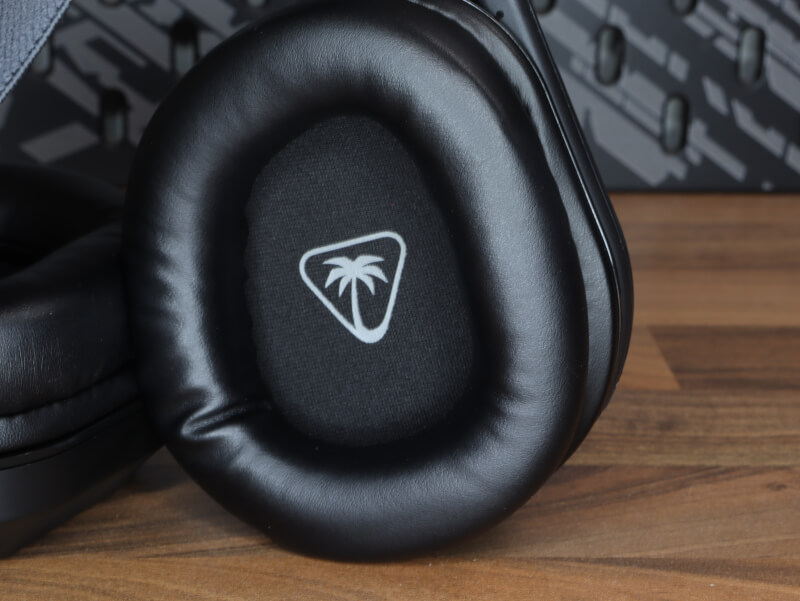
The right ear cup has been kept completely clean with no buttons or connections, giving a simpler look while also reducing the risk of misoperation during use. It also means that the weight is distributed more neutrally between the sides.
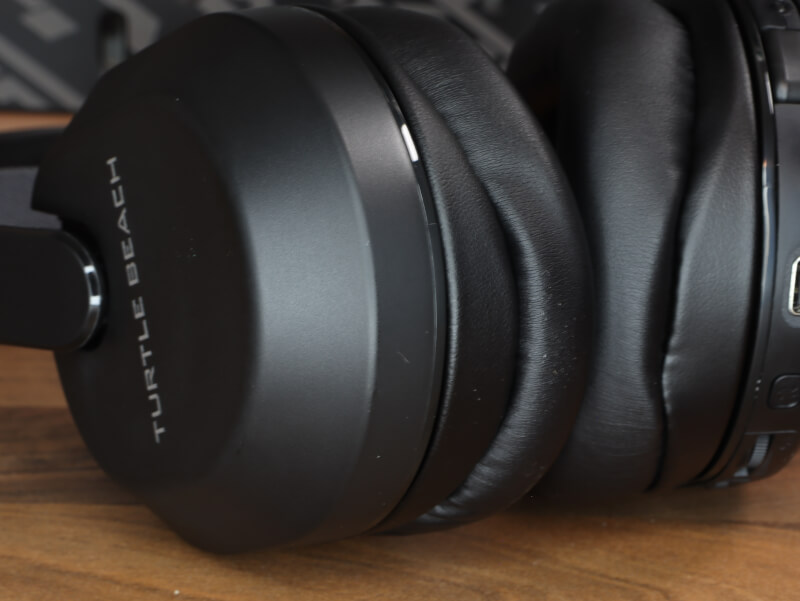
On the left earcup, all the headset's functions are grouped together, making it easy to quickly access the most important controls. Here you will find the Bluetooth button for pairing with mobile devices, the volume wheel for the main sound, and a separate microphone volume control so that the balance can be adjusted directly without software. The power button is used for on and off, while the mode button provides access to sound profiles and function modes. In addition, there is a dedicated button for switching between Bluetooth and 2.4 GHz connection, making it easy to change source during use. The USB-C port is used for charging and is easily accessible at the bottom of the cup.
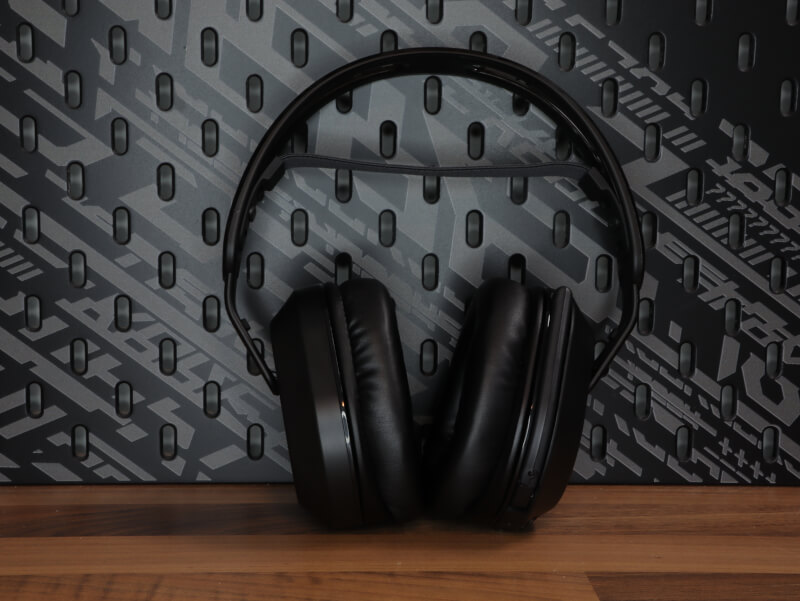
Software
The Turtle Beach Swarm II software is used to control and customize the settings on the Turtle Beach Stealth 500. The interface is built in a dark design with a simple layout, where the most important sound and microphone settings are collected on the front, so the user can quickly adjust the headset's central functions without having to go through many menus.
In the audio section, it is possible to adjust the master volume directly, while the Superhuman Hearing function can be activated and adjusted. Here you can also select a sound profile, where Legacy, for example, can be used to change how certain frequencies are emphasized during gaming. On the right side are the microphone settings, where sensitivity, monitoring and noise gate can be adjusted individually, so that the voice can be optimized according to the user's needs.
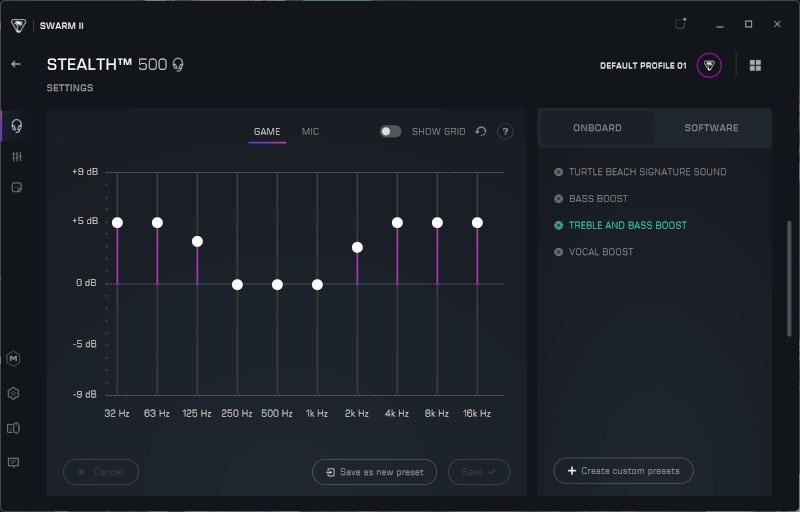
Further down comes the equalizer section in the Turtle Beach Swarm II, where the user has access to a more detailed sound adjustment of the headset's frequency range. The middle of the screen is dominated by a graphic 10-band equalizer, where frequencies from 32 Hz up to 16 kHz can be raised or lowered individually, so that the sound image can be adjusted according to personal preference or specific scenarios such as gaming, music or movies. On the right are the predefined sound profiles, where Turtle Beach offers Signature Sound, Bass Boost, Treble and Bass Boost and Vocal Boost, among others. The software also allows you to save your own presets directly in the headset's onboard memory or via software profile, so that the settings can be quickly changed as needed. The layout is kept simple and clear, making it easy to work with sound adjustment without the software seeming technically heavy, even though it still provides access to the most important adjustment options.
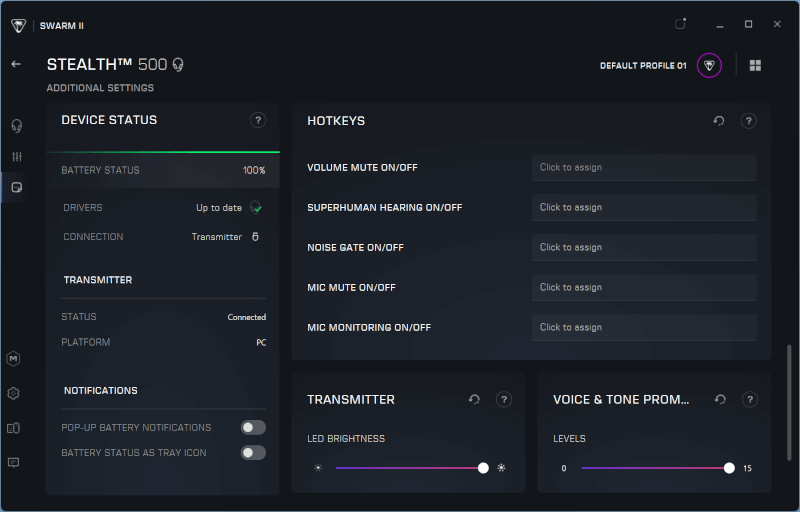
Finally, an expanded settings page is displayed in Turtle Beach Swarm II, where the focus is on system information, quick access to features and additional customization options. On the left side, the headset's current status is shown with battery level, driver status and connection type, where the software also shows that the transmitter is correctly connected and active on the PC. In addition, there is access to notification functions, so the user can choose whether battery warnings should be displayed as a pop-up or via an icon in the system tray.
The test – Sound, use and comfort
When you start with music, the Stealth 500 delivers a headset that immediately gives a nice first impression. The treble is reasonable and manages to keep details like vocals and lighter instruments clear in the soundstage. There is a nice clarity in the upper frequencies, which means that music does not experience closed or muddy.
When the bass comes into play more actively, however, the balance changes noticeably. In the headset's signature profile, where the EQ is relatively flat in the app, the bass becomes a bit too dominant for my taste. It takes up so much space that it intrudes and reduces the dynamics of the music, especially in songs where the midrange should have more space. This does not mean that the sound becomes bad, but rather that it loses some precision, especially if you prefer a more neutral reproduction.
For general streaming and movies it works better because the heavy bottom here can give a little extra fullness to effects and voices. In movies it gives a more massive experience with explosions and deep effects, although the detail separation still doesn't reach the level of more expensive headsets.
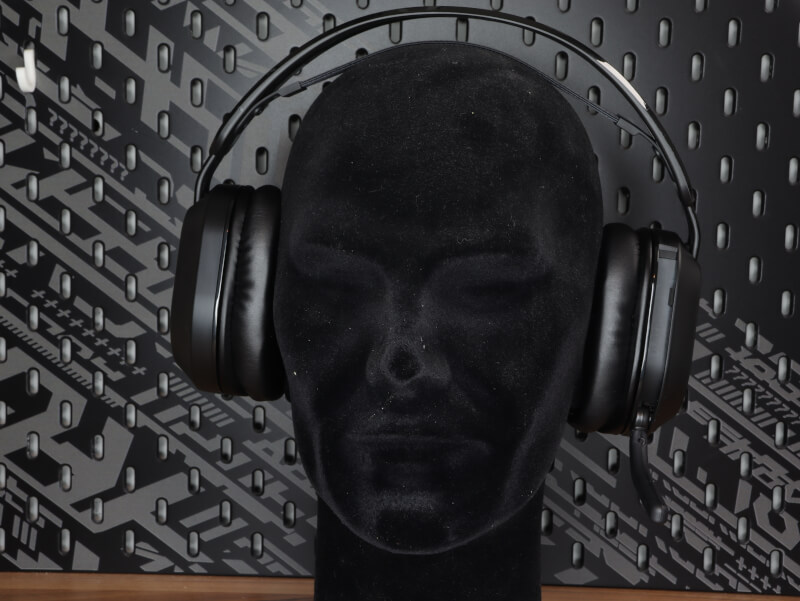
In gaming, Rainbow Six Siege was used as a reference, precisely because it quickly reveals how well a headset handles directional sound. Here, the Stealth 500 proves to be a headset that delivers a stable general gaming experience, but without providing any real advantage in FPS. Footsteps can be heard, but the placement is not sharp enough to provide the precision you want in competitive gaming. There is therefore no feeling that you can accurately pinpoint the opponent's location based on sound alone. Explosions and weapon sounds are reproduced with nice fullness, but again with a little too much focus on the bottom area.
Superhuman Hearing can be activated, and here you will find, among other things, the "footsteps" profile. This function clearly tries to lift the relevant frequencies, but this is done at the expense of the rest of the sound image. Other sounds lose quality, and the whole becomes artificial. This meant that the function was quickly turned off again. The Legacy setting works a little better. Here you get slightly more emphasized footsteps, but still not at a level where it becomes a real competitive advantage. It is therefore more of an extra function than an actual selling point.
Switching between Bluetooth and 2.4 GHz works smoothly, and the connection feels stable during use. There were no dropouts in the test, and latency feels low enough for gaming. The microphone delivers acceptable voice reproduction for general communication. The voice comes through clearly, but without the fullness you see in better microphone solutions. However, for Discord and general team communication it works without problems.
Comfort, on the other hand, is one of the headset's strongest areas. The elastic band makes a significant difference.
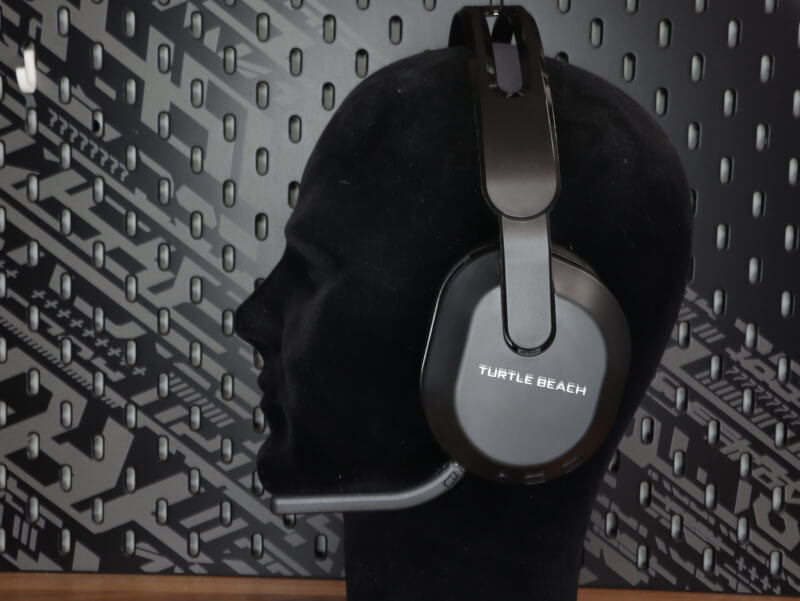
The weight is better distributed over the head, and the headset avoids the pressure points that many traditional headsets can cause. Even during longer sessions, it fits comfortably. The ear cushions feel soft and provide a good seal without pressing hard. This also means that heat generation is kept at a reasonable level.
The material quality is characterized by plastic, but without feeling cheap. The construction seems light, but at the same time stable enough for everyday use. It is clear that the focus has been on low weight rather than premium material feel.
Overall, the Stealth 500 is therefore a headset that delivers comfort and ease of use first and foremost.
Sound-wise, it's more mixed. For casual gaming and everyday use, it works fine. For FPS games, however, precision is lacking. The music experience is acceptable, but the bass becomes too heavy in the standard profile. On the other hand, comfort is among the clear strengths.
Price
The Stealth 500 from Turtle Beach has a price of just under $70.

If you want to read more about the Stealth 500 from Turtle Beach, you can click on the banner above.
Conclusion
The Turtle Beach Stealth 500 is positioned in a segment where competition is relatively fierce, as many manufacturers today offer wireless headsets with both 2.4 GHz connection, Bluetooth and various software-based audio functions. Therefore, it quickly becomes the overall experience that determines whether a headset stands out positively in practice, and here the Stealth 500 proves to be a product that prioritizes comfort and ease of use over pure audio precision.
Looking first at the sound experience, the Stealth 500 delivers a fairly reasonable first impression when listening to music. The treble is clear enough to highlight vocals and lighter details in the soundscape, which gives the impression that the music is not closed or stuffy. There is a nice openness in the upper frequencies, which means that instruments and voices still stand out relatively clearly. When the bass comes into play more actively, however, the balance changes slightly, as it becomes slightly dominant in the standard profile. This means that it can fill so much of the soundscape that the dynamics in the music are reduced slightly, especially in tracks where the midrange should otherwise have more space. The result is not a decidedly bad sound experience, but rather a reproduction that lacks a little precision and balance, especially if you prefer a more neutral sound profile.
For movies and streaming, this sound profile actually works better, as the stronger bottom end gives more depth to effects, explosions, and deep sounds, which can provide a more massive and entertaining experience. This means that the headset generally works well for casual use where you switch between different types of content.
When it comes to gaming, Rainbow Six Siege was used as a reference, as the game is well suited to revealing how accurately a headset can reproduce directional sound. Here, the Stealth 500 delivers a stable gaming experience, but without providing any real advantage compared to competitive FPS gaming. Footsteps can be heard, but the precision in placement is not sharp enough to clearly determine exactly where the opponent is. Explosions and weapon sounds are reproduced with good fullness, but again with a clear emphasis on the bass, which can sometimes slightly affect the experience of detail in the soundscape.
The headset offers features such as Superhuman Hearing, where a profile targeting footsteps can be activated, among other things. In practice, this feature tries to emphasize certain frequencies, but this is at the expense of the rest of the soundstage, which can quickly come to seem more artificial. In testing, it therefore did not prove to be a feature that provided any real advantage in the game, and it was quickly turned off again. The Legacy setting provides a slightly more balanced experience, where footsteps become a bit clearer, but the improvement is still limited and does not significantly change the headset's overall performance in FPS games.
On the other hand, the wireless connection works stably throughout the test, where switching between Bluetooth and the 2.4 GHz connection happens without problems. There were no dropouts in the connection, and the latency feels low enough for gaming, which is important in a headset in this category. The microphone also delivers acceptable voice reproduction, which works well for general communication in, for example, Discord or other voice chat programs. The voice appears clear enough for team communication, although it lacks the fullness and depth found in more expensive headsets.
Where the Stealth 500 really stands out is comfort. The elastic headband makes a significant difference in terms of weight distribution, as the headset avoids the pressure points that many traditional headsets can cause during prolonged use. The combination of low weight and the flexible headband means that the headset sits very comfortably, even after many hours of use. The ear cushions also contribute positively to comfort, as they feel soft and at the same time provide a good seal around the ear without pressing too hard, which helps to keep heat generation at a reasonable level.
In terms of materials, the construction is primarily based on plastic, but without it feeling cheap in practice. On the contrary, the headset feels light, but still stable enough for daily use, and it is clear that the focus has been on keeping the weight down rather than creating a more premium material feel.
Overall, the Stealth 500 is therefore a headset that first and foremost delivers a comfortable and user-friendly experience, where comfort, stable wireless connection and simple operation are among the greatest strengths. In terms of sound, the experience is more mixed, as the bass in the standard profile becomes a bit dominant, and the headset lacks the precision in the sound image that FPS players in particular will miss. At the same time, it can be a disadvantage that you have to choose between an Xbox version or a PlayStation/PC version, which reduces flexibility slightly for users with multiple platforms.
However, for users who primarily play casual games, watch movies, or listen to music, and who also prioritize comfort and wireless flexibility, the Stealth 500 will still be a sensible choice in its price range. We therefore end up with a score of 7 out of 10.
Benefits
Disadvantages
Score: 7