28 Jul
printer

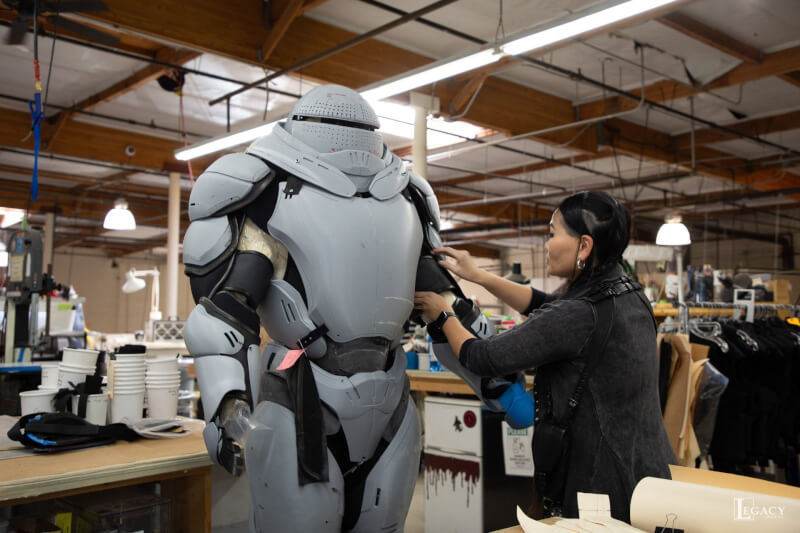
Legacy Effects, the studio behind some of Hollywood’s most iconic practical effects, has revealed how Bambu Lab printers quietly transformed their workflow on Superman 2025. Midway through production, the team replaced much of their traditional FFF equipment with the X1C platform. The result: parts that were fast and ready to shoot without the usual detour of post-production.
From prototype suits for the "Hammer of Boravia" and "LexCorp Raptors," Mr. Terrific's mechanically transforming flying chair, animatronic robots for "Fortress of Solitude," and the development of creatures like "Baby Metamorpho," the story takes a rare, detailed look behind the scenes of a major superhero production—with real-world technical data on materials, iteration cycles, and production strategy.
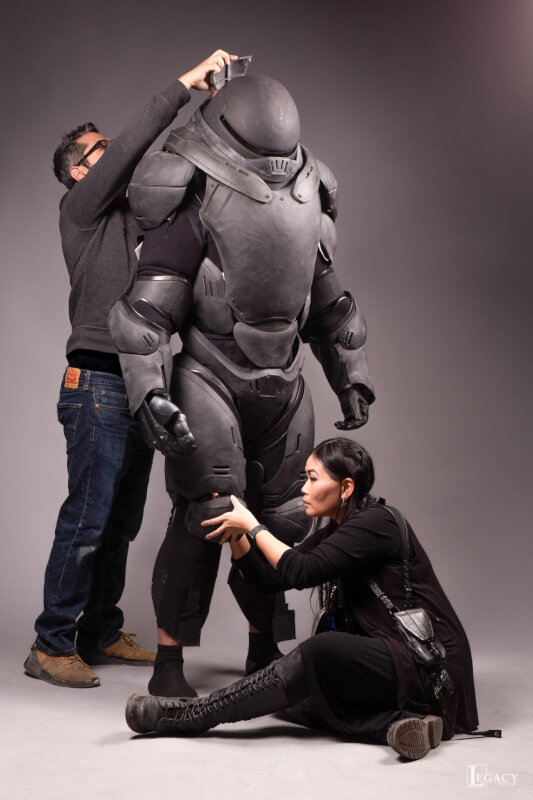
When Legacy Effects had to deliver practical effects for Superman 2025 under a rock-solid schedule, they got help from an unexpected source: Bambu Lab 3D desktop printers.
The studio – known for building physical costumes, animatronics and props for major Hollywood productions – introduced the X1C platform mid-production. The key discovery was that FFF prints from the X1C were good enough to skip the usual SLA post-processing step altogether. Fast prints could be sent directly to the film set.
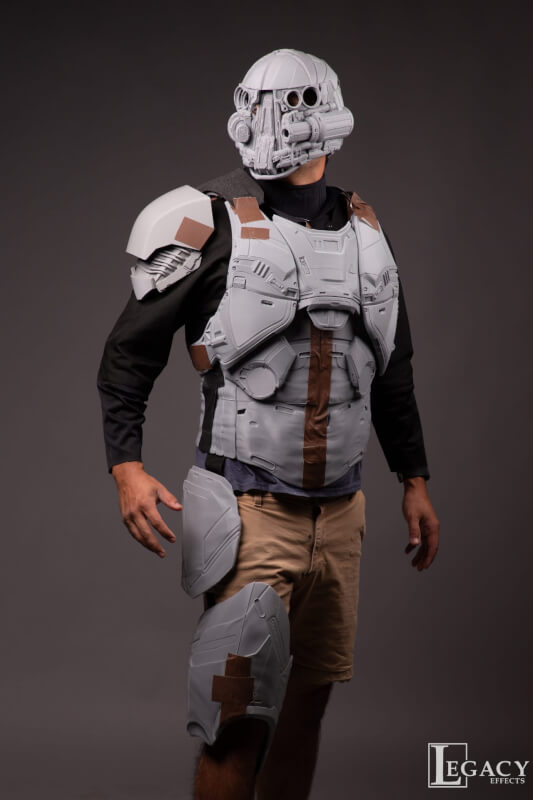
The technology was used for almost every major practical construction in the film. Complete prototype suits for the "Hammer of Boravia" and "LexCorp Raptors" were printed, fitted to stuntmen, adjusted, and reprinted—sometimes within the same day. Mr. Terrific's transforming flying chair was built primarily from FFF and MJF-printed components, which were post-processed for a polished, reflective surface. Animatronic robots, including the character Gary, utilized printed mechanical fittings that were quickly tested in PLA before final versions were fabricated in PA-CF (carbon-reinforced nylon).
Printed parts also served as molds, allowing the team to produce multiple lightweight urethane castings from a single printed model, increasing the safety of the actors during action sequences.
Legacy Effects sees this as just the beginning. Larger format systems, better materials, and deeper workflow automation are already on the horizon, as practical effects and digital fabrication continue to merge.
Full story: Bambu Lab meets Superman 2025: Inside Legacy Effects' 3D printing revolution